




Is Blue Light Really Bad for Your Eyes? What the Latest Science Says (And What Works)
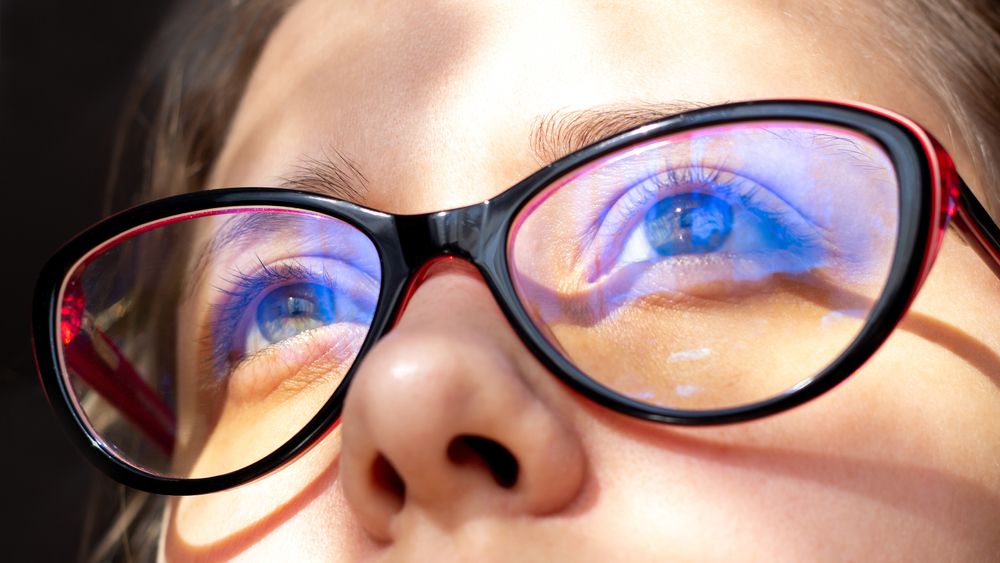
With smartphones, computers, and tablets playing a role in nearly every part of daily life, many people worry about how screen time affects their eyes. Blue light often gets the blame for eye strain, headaches, and even long-term vision damage. But what does the science actually say? And more importantly, what can you do to keep your eyes comfortable and healthy?
What Is Blue Light?
Blue light is part of the visible light spectrum and occurs naturally in sunlight. It also comes from artificial sources such as LED lighting, phones, computers, and televisions. Because blue light has a shorter wavelength and higher energy than other visible light, it tends to scatter more easily, which can make it harder for the eyes to focus comfortably.
Not all blue light is harmful. Exposure to natural blue light during the day helps regulate sleep cycles, improve alertness, and support overall well-being. The concern lies more in prolonged exposure to screens, especially later in the day.
Does Blue Light Cause Eye Damage?
Current research shows that blue light from digital devices does not cause permanent eye damage or eye disease. There is no strong evidence linking everyday screen use to long-term structural harm to the eyes.
However, blue light can contribute to digital eye strain. Symptoms such as tired eyes, blurred vision, headaches, and difficulty focusing are common after extended screen use. Blue light exposure in the evening may also interfere with sleep by disrupting the body’s natural circadian rhythm.
Why Screen Use Still Leads to Eye Strain
Eye discomfort from screens is not caused by blue light alone. When using digital devices, people tend to blink less, which leads to dry and irritated eyes. Staring at screens for long periods also forces the eyes to focus up close without breaks, increasing fatigue.
Outdated or inaccurate prescriptions can make these symptoms worse, as the eyes must work harder to compensate. Poor lighting, glare, and improper screen positioning also play a role in eye strain.
How Regular Comprehensive Eye Exams Help
Regular comprehensive eye exams are one of the most effective ways to manage screen-related eye discomfort. Even small changes in vision can significantly affect how your eyes perform during digital tasks.
During an eye exam, your optometrist can update your prescription, evaluate how your eyes focus and work together, and identify issues such as dry eye. Your doctor can also recommend lens options specifically designed for computer and digital use to improve comfort throughout the day.
The Role of Blue Light Blocking Lenses
Blue light blocking lens coatings are designed to reduce glare and filter some high-energy visible light from screens. While they do not prevent all eye strain, many patients find them helpful - especially those who spend long hours on computers or devices.
These lenses work best when paired with an accurate prescription and lenses designed for digital viewing. Your optometrist can help determine whether blue light filtering lenses are appropriate for your lifestyle and visual needs.
Healthy Screen Time Habits That Make a Difference
Simple daily habits can significantly reduce eye strain. Following the 20-20-20 rule - looking at something 20 feet away for 20 seconds every 20 minutes - gives your eyes a chance to relax. Making a conscious effort to blink more often can help prevent dryness.
Positioning screens slightly below eye level, minimizing glare, using proper lighting, and limiting screen use before bedtime can also improve comfort and support better sleep.
Schedule Your Eye Exam Today
Blue light is often misunderstood, but screen-related eye strain is a genuine concern. The good news is that most symptoms are manageable with the right care. Staying up to date with comprehensive eye exams, using lenses designed for digital use, and practicing healthy screen habits can help keep your eyes comfortable and your vision clear.
If you experience eye strain, dryness, or headaches after screen use, a comprehensive eye exam may help identify the cause. At Long Beach Family Optometry, we provide personalized care, updated prescriptions, and lens options designed for today’s digital lifestyles. Visit our office in Long Beach, California, or call (562) 553-6600 today.

MAP



© 2026 Long Beach Family Optometry. All Rights Reserved. Accessibility Statement - Privacy Policy - Sitemap
Powered by: