



Why Dry Eye Can Make Contact Lenses Uncomfortable

Contact lenses should provide clear, comfortable vision throughout your normal routine. If your lenses begin feeling dry, gritty, blurry, or increasingly noticeable as the day goes on, dry eye may be part of the problem.
At Long Beach Family Optometry, we evaluate both contact lens fit and the health of the eye surface to determine why discomfort is occurring. For Long Beach patients, identifying tear-film problems can help us decide whether changes to the lens, dry eye treatment, or a more customized contact lens option may improve comfort.
Why Does the Tear Film Matter for Contact Lenses?
Contact lenses interact directly with the tear film that covers the front of the eye. A healthy tear film helps keep the eye surface smooth and lubricated while supporting comfortable lens wear.
When tears evaporate too quickly or do not provide enough stable lubrication, the contact lens may begin feeling dry or irritating. Vision can also fluctuate because an unstable tear film creates an uneven optical surface.
You may notice that your lenses feel comfortable in the morning but become harder to tolerate later in the day.
Signs Dry Eye May Be Affecting Your Contacts
Contact lens discomfort can have several causes, but dry eye may be involved if you regularly experience:
Burning, stinging, or gritty sensations
Blurry vision that improves after blinking
Redness after several hours of lens wear
Lenses that feel increasingly dry during the day
Excessive watering despite feeling irritated
A shorter comfortable wearing time than you had in the past
These symptoms do not automatically mean you need to stop wearing contacts permanently. They do mean your eyes and lenses should be evaluated.
Why Can Screen Time Make Things Worse?
Long Beach patients who spend hours on computers or phones may notice contact lens dryness becoming more pronounced during screen use.
People tend to blink less frequently or less completely while concentrating on digital devices. Each blink helps spread tears across the eye and refresh the surface of the contact lens. When blinking decreases, tears may evaporate faster.
Air conditioning, fans, wind, allergies, and other environmental factors can also contribute to dry eye symptoms and make contact lens wear less comfortable.
Could Meibomian Gland Dysfunction Be Involved?
The meibomian glands along the eyelids produce oils that help prevent tears from evaporating too quickly. When these glands become blocked or dysfunctional, the tear film may become unstable.
Long Beach Family Optometry provides dry eye care that looks beyond temporary lubrication and considers underlying factors such as meibomian gland dysfunction. Depending on your examination findings, treatment may involve prescription eye drops, nutritional support, eyelid treatments such as BlephEx, or other personalized options.
Improving the tear film can sometimes make contact lens wear more comfortable, although results vary from patient to patient.
When Might Specialty Contact Lenses Help?
If standard soft contacts continue causing discomfort, a specialty contact lens evaluation may be worth considering.
Long Beach Family Optometry offers custom contact lens options including specialty soft lenses, rigid gas permeable lenses, hybrid lenses, and scleral lenses. Scleral lenses are larger lenses that vault over the cornea and maintain a reservoir of sterile preservative-free saline between the lens and the eye. For selected patients with significant dry eye or irregular corneas, this design may provide greater comfort and more stable vision.
Hybrid lenses may also be considered when a patient needs a different balance of visual clarity and comfort.
Do Not Push Through Significant Discomfort
Contact lenses should not cause significant pain. Remove your lenses if you develop marked redness, strong light sensitivity, discharge, or sudden blurry vision.
Do not sleep in daytime lenses unless they are specifically prescribed for overnight wear, and avoid swimming or showering while wearing contacts. Water exposure can increase the risk of serious eye infection.
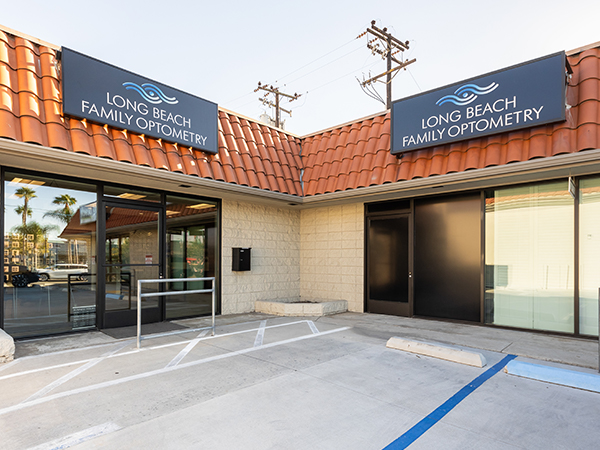
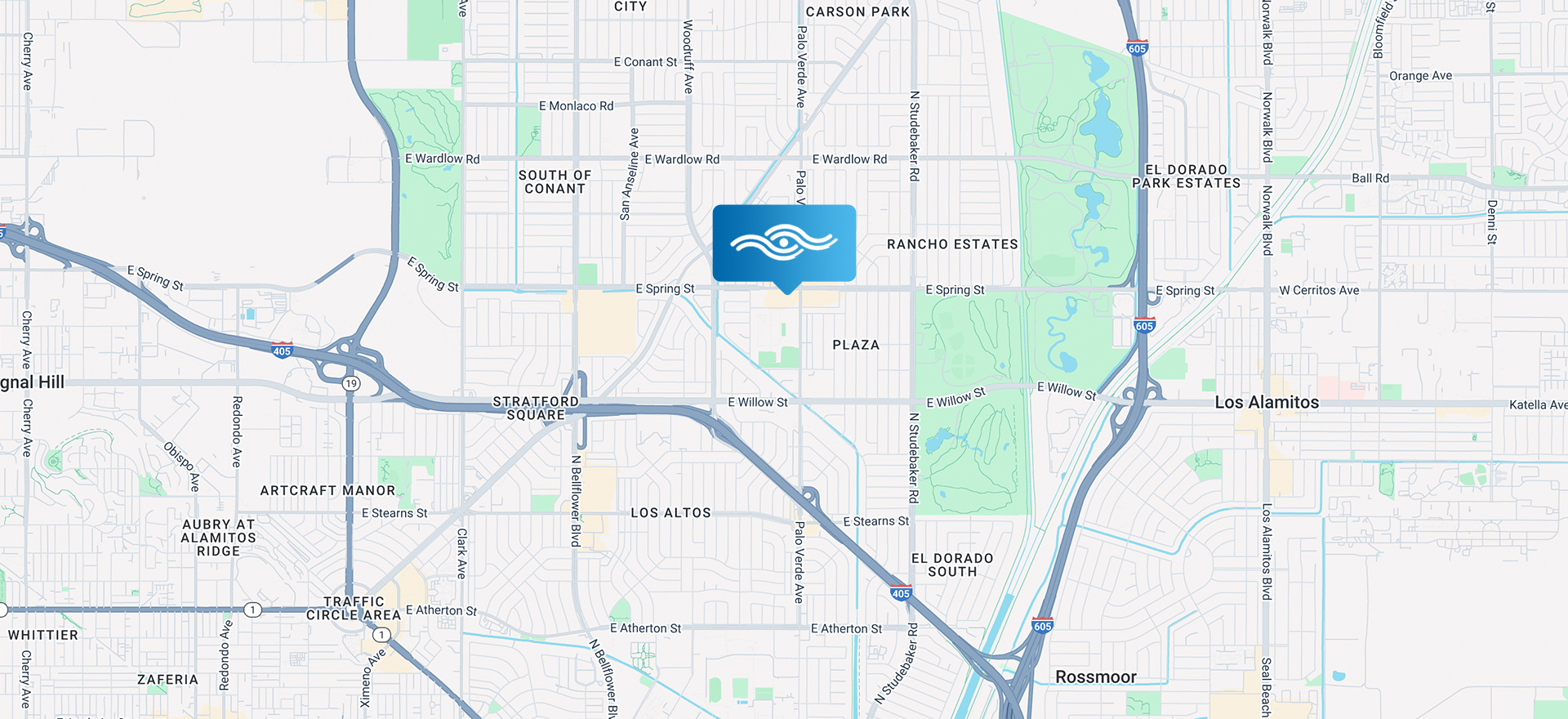
If dry eye is making your contacts increasingly uncomfortable, contact Long Beach Family Optometry at 6332 E. Spring Street, Long Beach, CA 90815 by calling (562) 553-6600 to schedule a dry eye or specialty contact lens evaluation.
MAP


© 2026 Long Beach Family Optometry. All Rights Reserved. Accessibility Statement - Privacy Policy - Sitemap
Powered by: