



Why Sunglasses Are More Than Fashion: UV Eye Protection Tips for Southern California
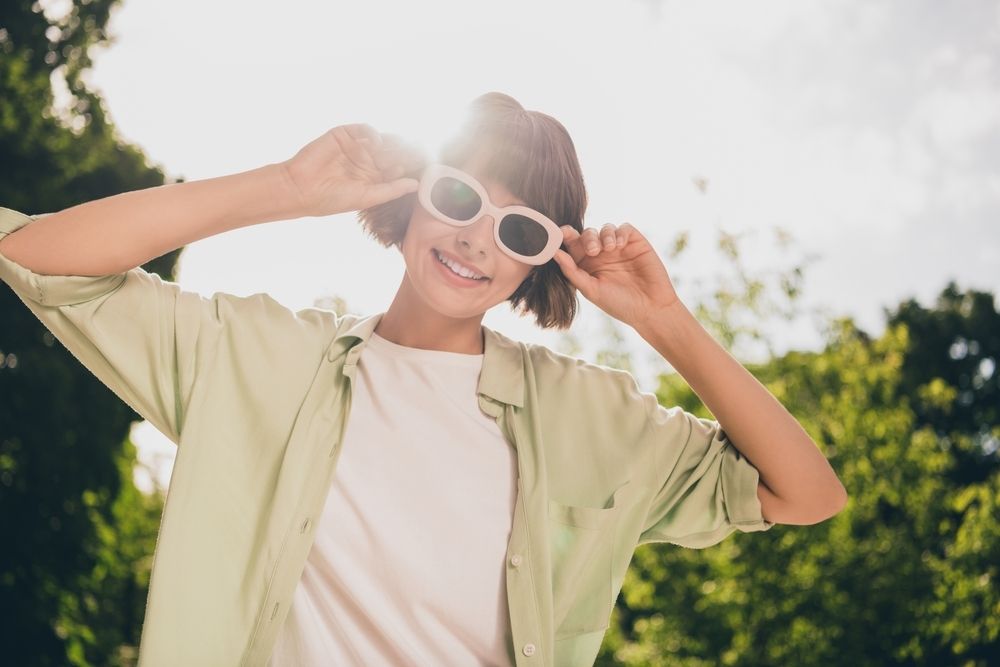
In Southern California, sunshine is a part of everyday life. From beach days and outdoor sports to driving along the coast, residents spend a significant amount of time exposed to sunlight. While sunglasses are often seen as a fashion accessory, they actually play a critical role in protecting your eyes from harmful ultraviolet (UV) radiation.
Understanding UV Radiation and Eye Health
Ultraviolet radiation from the sun comes in two main forms that affect the eyes: UVA and UVB rays. Both types can penetrate the eye and contribute to a variety of eye conditions over time. Unlike sunburn on the skin, UV damage to the eyes is often cumulative, meaning the effects build up gradually after years of exposure.
Excessive UV exposure has been linked to several eye health issues, including:
• Cataracts, which cause clouding of the eye’s natural lens
• Macular degeneration, a condition that affects central vision
• Photokeratitis, sometimes called “sunburn of the eye”
• Pterygium, a growth that can develop on the white part of the eye
Because Southern California enjoys more sunny days than many other regions, residents may experience higher cumulative UV exposure if protective eyewear is not used consistently.
Why Sunglasses Are Essential in Southern California
Living in a coastal region like Long Beach means that UV exposure is often intensified by environmental factors. Sunlight reflects off water, sand, pavement, and even buildings, increasing the amount of UV radiation reaching your eyes.
Even on cloudy days, up to 80 percent of UV rays can still penetrate cloud cover. This means your eyes remain at risk even when the sun is not visibly bright. Activities such as beach outings, boating, biking, hiking, and driving can all expose your eyes to significant UV radiation. Quality sunglasses help block harmful rays and reduce glare, improving both comfort and safety during daily activities.
What to Look for in Protective Sunglasses
Not all sunglasses provide adequate protection. When choosing sunglasses for UV safety, it is important to look beyond style and focus on protective features.
• 100% UV Protection: The most important feature is lenses labeled “100% UV protection” or “UV400.” This ensures the sunglasses block both UVA and UVB rays.
• Polarized Lenses: Polarized lenses reduce glare from reflective surfaces such as water, sand, and roads. While polarization does not replace UV protection, it improves visual comfort and clarity, especially during driving or outdoor recreation.
• Large or Wraparound Frames: Frames that cover more of the eye area help prevent UV rays from entering from the sides. Wraparound styles offer additional protection by shielding peripheral vision.
• Quality Lens Materials: High-quality lenses provide clearer vision and consistent UV protection. Prescription sunglasses are also available for individuals who require vision correction.
Find the Perfect Sunglasses at Long Beach Family Optometry
With abundant sunshine throughout the year, Southern California residents are exposed to higher levels of UV radiation than many other parts of the country. By choosing the right eyewear and wearing it consistently, you can enjoy the outdoors while keeping your vision safe.
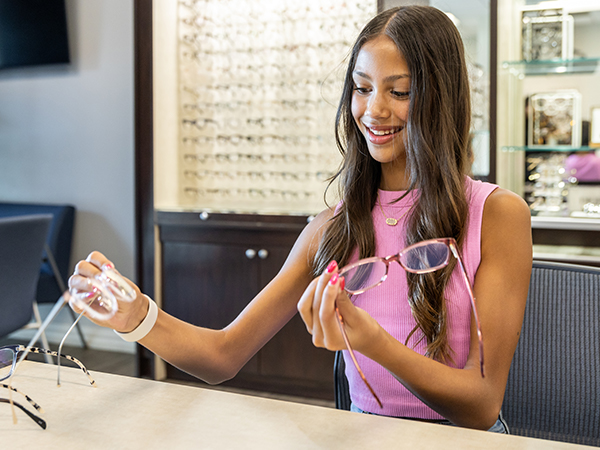
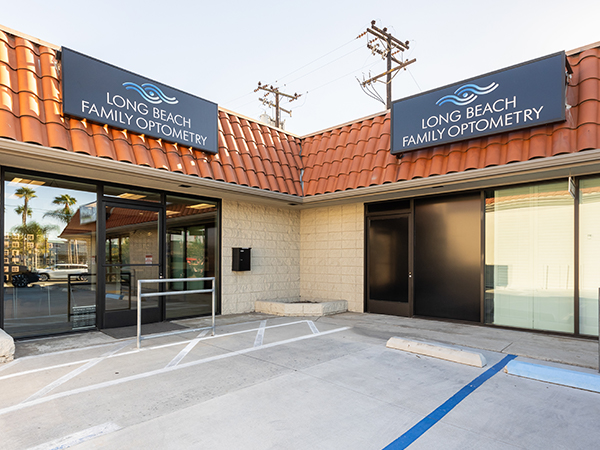
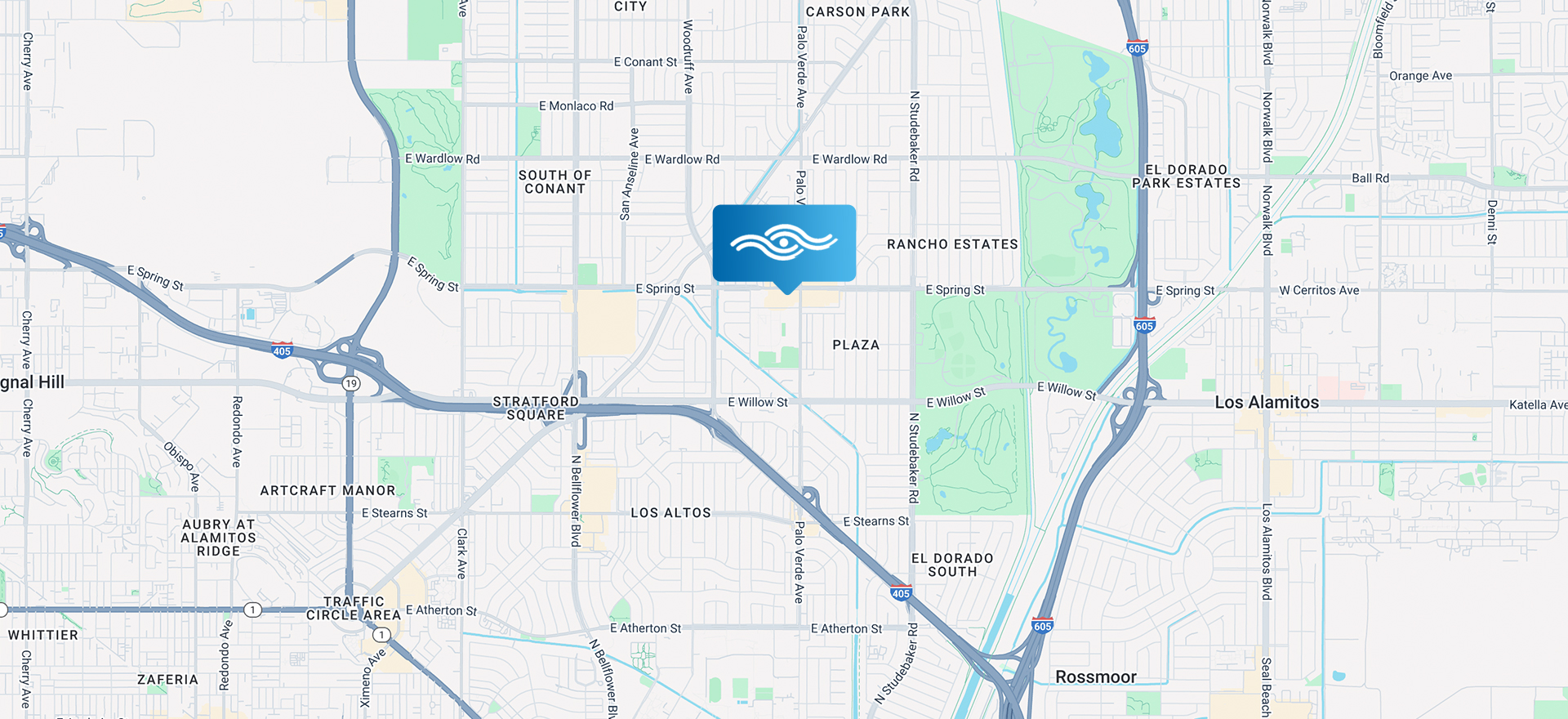
Schedule your comprehensive eye exam at Long Beach Family Optometry to protect your vision and find high-quality sunglasses that keep your eyes comfortable and healthy in the Southern California sun. Visit our office in Long Beach, California, or call (562) 553-6600 today.
MAP


© 2026 Long Beach Family Optometry. All Rights Reserved. Accessibility Statement - Privacy Policy - Sitemap
Powered by: