



Why Your Teen’s Vision is Getting Worse Every Year: A Long Beach Parent’s Guide to Myopia Control

If your teen’s glasses prescription keeps getting stronger, it can feel frustrating and concerning. Nearsightedness, also called myopia, often starts in childhood and can continue progressing through the teen years. While stronger glasses can help your teen see clearly, parents in Long Beach should also understand why the prescription is changing and what myopia control may do to help slow progression.
At Long Beach Family Optometry in Long Beach, myopia management focuses on protecting clear vision now while supporting healthier long-term eye development.
What Is Myopia?
Myopia is a vision condition that makes faraway objects look blurry while near objects remain clearer. A teen with myopia may struggle to see the board at school, street signs, sports fields, or a movie screen unless they wear glasses or contact lenses.
Myopia often develops when the eye grows too long from front to back. As the eye length increases, distance vision becomes blurrier, and the prescription may continue to change.
Why Teen Vision Can Worsen Quickly
The teen years are a common time for myopia progression because the eyes may still be growing. Genetics can play a major role, especially if one or both parents are nearsighted. Daily habits can also contribute, including long hours of reading, homework, phone use, gaming, and other close-up activities.
In Long Beach, many teens balance school, screen time, sports, and busy schedules. If outdoor time decreases and near work increases, parents may notice that vision changes seem to happen faster.
Why Standard Glasses May Not Be Enough
Regular glasses correct blurry distance vision, but they do not necessarily slow down the progression of myopia. That means your teen may see clearly with each new prescription, yet still need stronger lenses year after year.
Myopia control is different. The goal is to reduce how quickly nearsightedness progresses while your teen’s eyes are still developing. This can be especially important because higher levels of myopia may increase the risk of certain eye health concerns later in life.
Signs Your Teen May Need Myopia Control
Teens do not always tell parents when their vision is changing. Some adapt by moving closer, squinting, or avoiding activities that require clear distance vision.
Watch for signs such as:
- Squinting at the board, TV, or road signs
- Complaints that glasses or contacts no longer work well
- Sitting closer to screens
- Headaches or tired eyes after school
- Trouble seeing during sports
- Frequent prescription changes
- Holding devices or books very close
- A family history of nearsightedness
If these signs are familiar, a myopia management consultation can help determine the next step.
What Myopia Control Can Include
Myopia control is personalized. Your optometrist may review your teen’s prescription history, eye health, age, visual habits, and how quickly the prescription is changing. Based on the evaluation, treatment may include specialty contact lenses, orthokeratology, prescription eye drops, or other myopia management strategies.
At Long Beach Family Optometry, the goal is to choose an approach that fits your teen’s needs, comfort level, and lifestyle. A plan that works well for one teen may not be the best fit for another.
Why Summer Is A Smart Time To Start
Summer is a practical time for Long Beach families to schedule a myopia control evaluation. Teens usually have more flexibility for exams, contact lens training, follow-up visits, or treatment adjustments before school begins again.
Starting during summer can also help your teen build better visual habits. More outdoor time, regular screen breaks, and healthier device routines can support overall visual comfort, especially when paired with professional myopia management.
Protecting Your Teen’s Future Vision
Myopia control is not about replacing glasses overnight. It is about taking a proactive approach while your teen’s eyes are still changing. The earlier progression is identified, the sooner your optometrist can recommend a plan designed to help manage it.
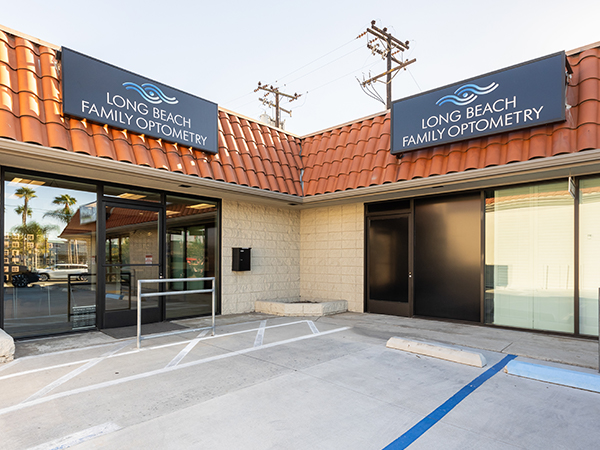
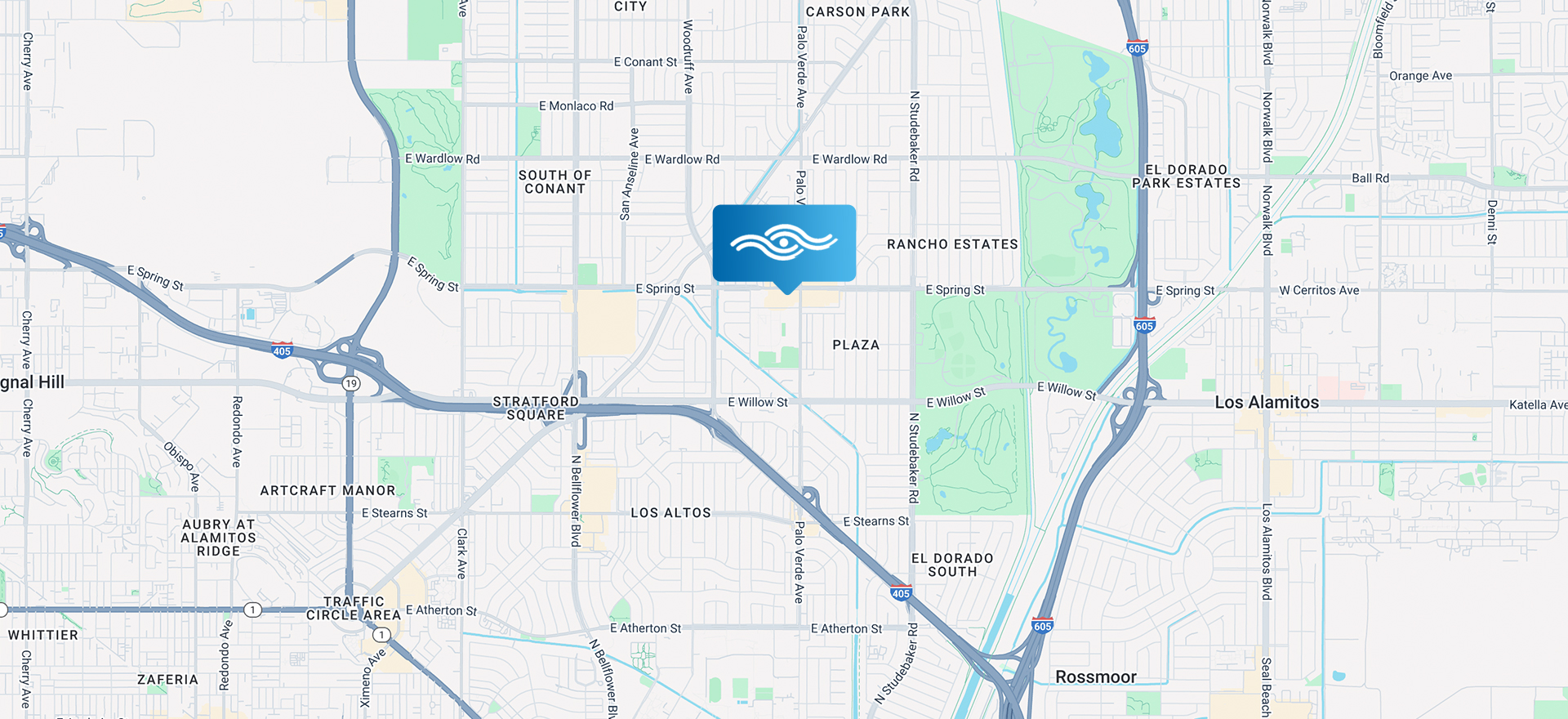
To schedule a myopia management consultation, contact Long Beach Family Optometry in Long Beach, CA at 6332 E. Spring Street, Long Beach, CA 90815, or call (562) 553-6600.
MAP


© 2026 Long Beach Family Optometry. All Rights Reserved. Accessibility Statement - Privacy Policy - Sitemap
Powered by: