Blog list
Long Beach Family Optometry Blog
Learn more about optometrist care in our blog!

Back-to-school season brings new teachers, assignments, and routines, but it also puts greater demands on your child’s vision. If they have myopia, or nearsightedness, seeing the board, presentations, and other distant classroom materials may become difficult. At Long Beach Family Optometry, we help families in Long Beach identify myopia early and provide personalized myopia management designed to support clearer vision while slowing its progression.

If your teen’s glasses prescription keeps getting stronger, it can feel frustrating and concerning. Nearsightedness, also called myopia, often starts in childhood and can continue progressing through the teen years. While stronger glasses can help your teen see clearly, parents in Long Beach should also understand why the prescription is changing and what myopia control may do to help slow progression.
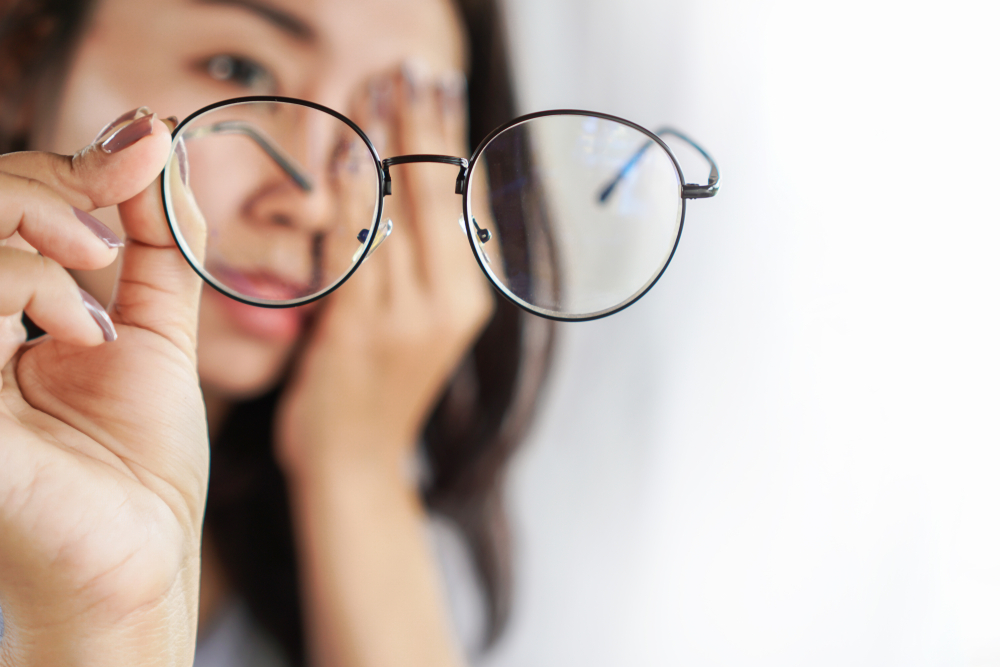
Chronic dry eye can feel like burning, stinging, redness, watering, blurry vision, or a constant gritty sensation. While many people try to manage symptoms with over-the-counter drops, lasting relief often starts with understanding what is causing the dryness in the first place.
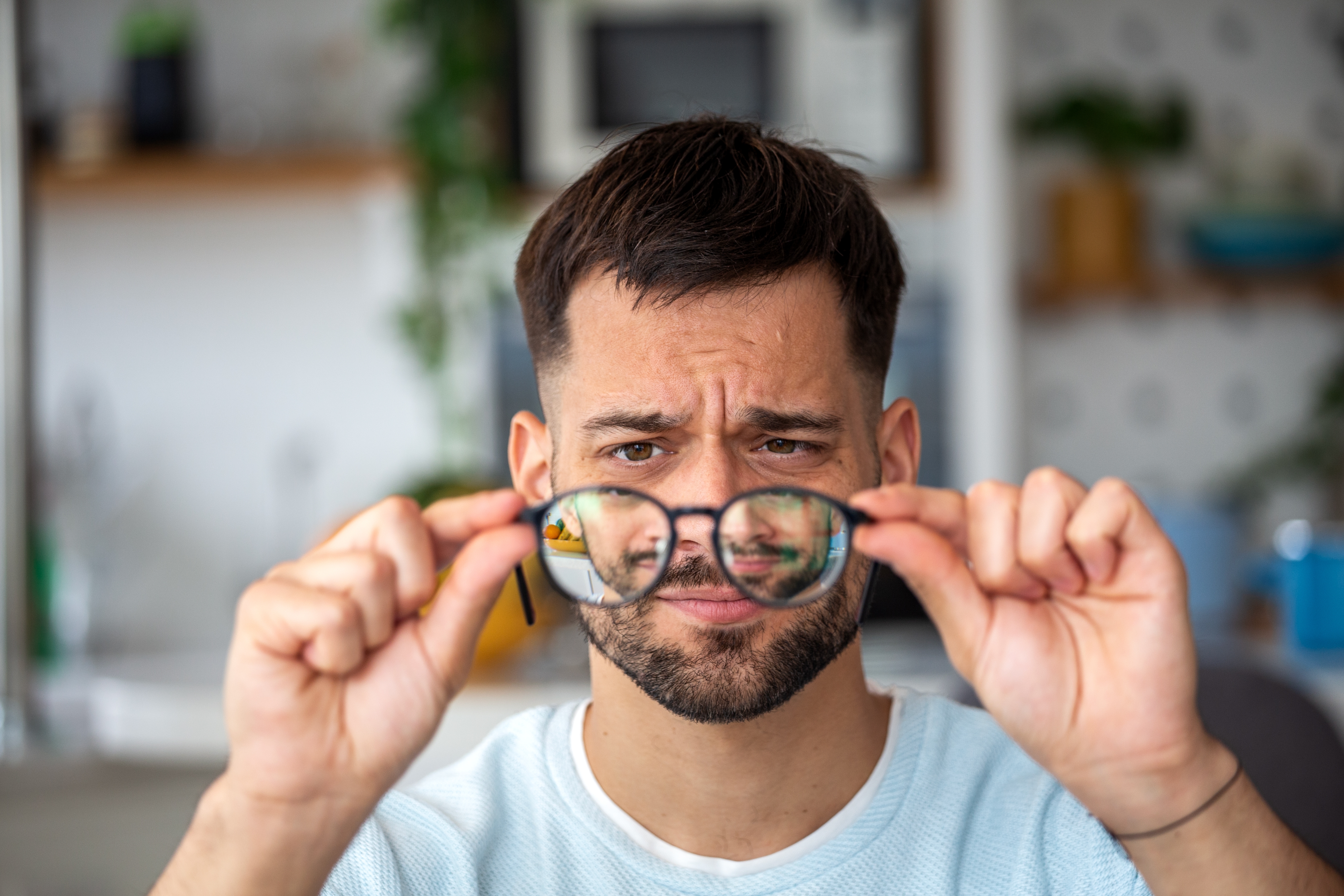
Not every vision problem can be solved with standard soft contacts or glasses alone. Some patients need a more personalized approach because of irregular corneas, dry eye, high prescriptions, astigmatism, keratoconus, or vision that changes throughout the day. For patients in Long Beach, custom contact lens solutions can offer clearer, more stable vision when traditional options are not enough.
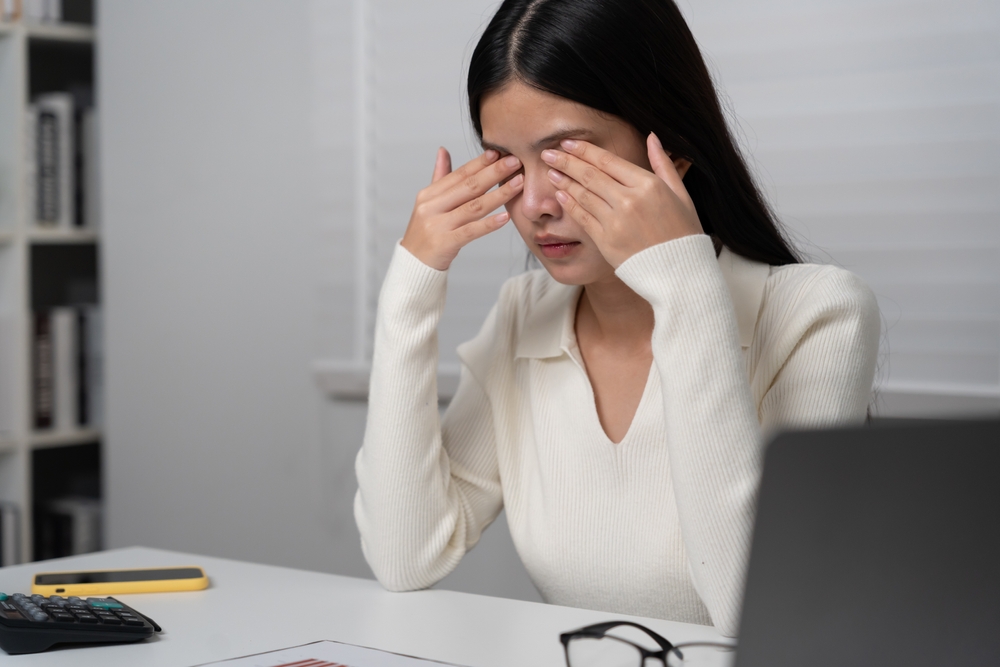
Myopia management works best when treatment and lifestyle habits support each other. While options like specialty lenses, eye exams, and ongoing monitoring are important, daily routines can also play a meaningful role in protecting long-term vision. At our Long Beach practice, we help patients build practical strategies that fit real life while supporting their myopia management plan.

Many patients use the terms routine vision exam and medical eye exam interchangeably, but they are not the same. Both are important, yet they serve different purposes. Understanding the difference can help patients know what type of appointment they may need and why coverage can vary. For patients seeking eye care in Long Beach, knowing this distinction can also make it easier to schedule the right visit at the right time.

In Southern California, sunshine is a part of everyday life. From beach days and outdoor sports to driving along the coast, residents spend a significant amount of time exposed to sunlight. While sunglasses are often seen as a fashion accessory, they actually play a critical role in protecting your eyes from harmful ultraviolet (UV) radiation.
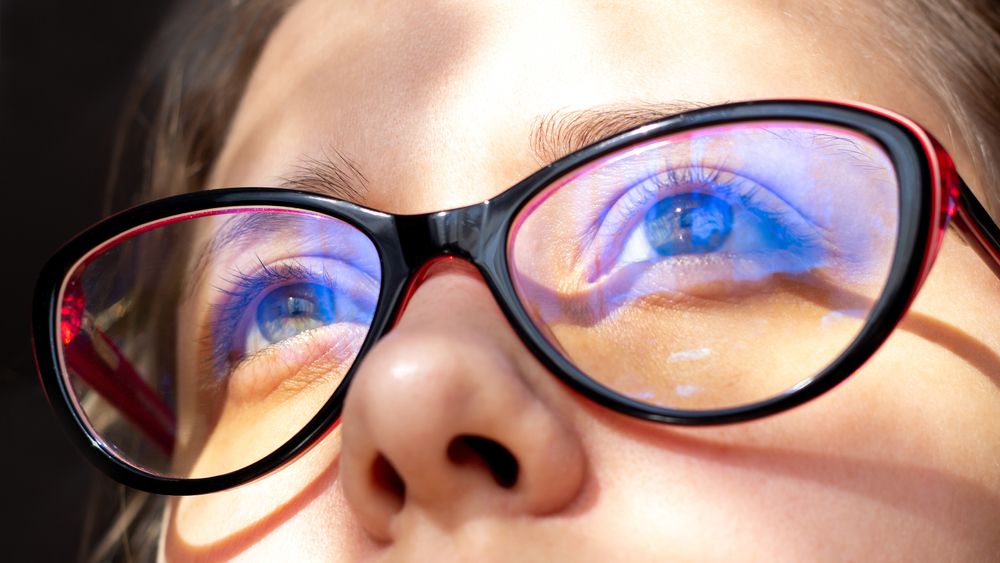
With smartphones, computers, and tablets playing a role in nearly every part of daily life, many people worry about how screen time affects their eyes. Blue light often gets the blame for eye strain, headaches, and even long-term vision damage.
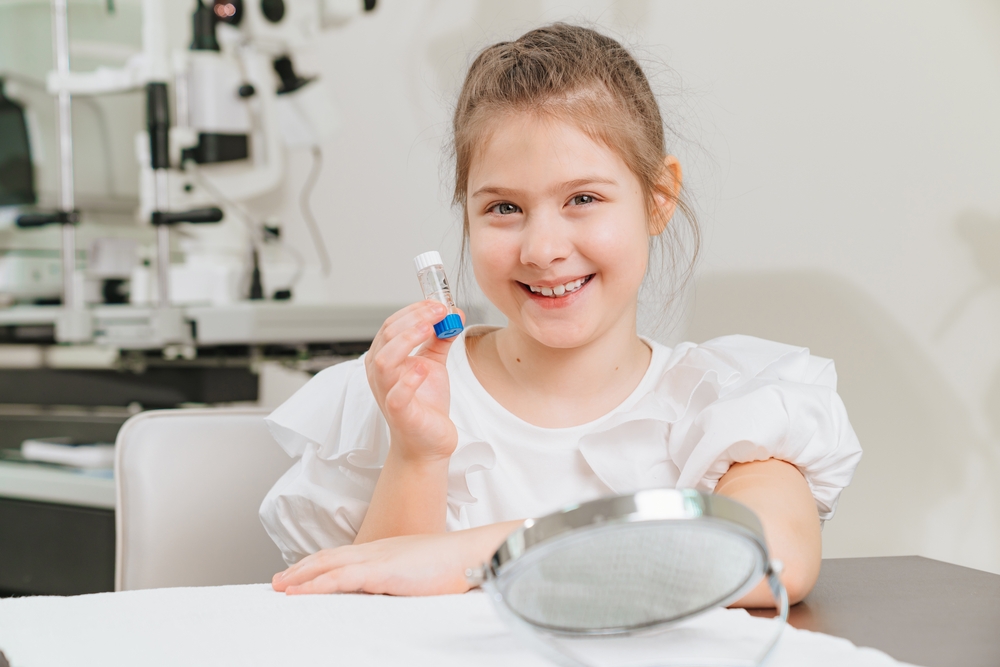
Myopia is becoming increasingly common in children and teens. If your child has trouble seeing distant objects clearly, it may be a sign of progressive myopia. Beyond blurry vision, worsening myopia can increase the risk of long-term eye health issues later in life. At Long Beach Family Optometry, we help families choose the right solution based on each child’s vision needs, lifestyle, and age.
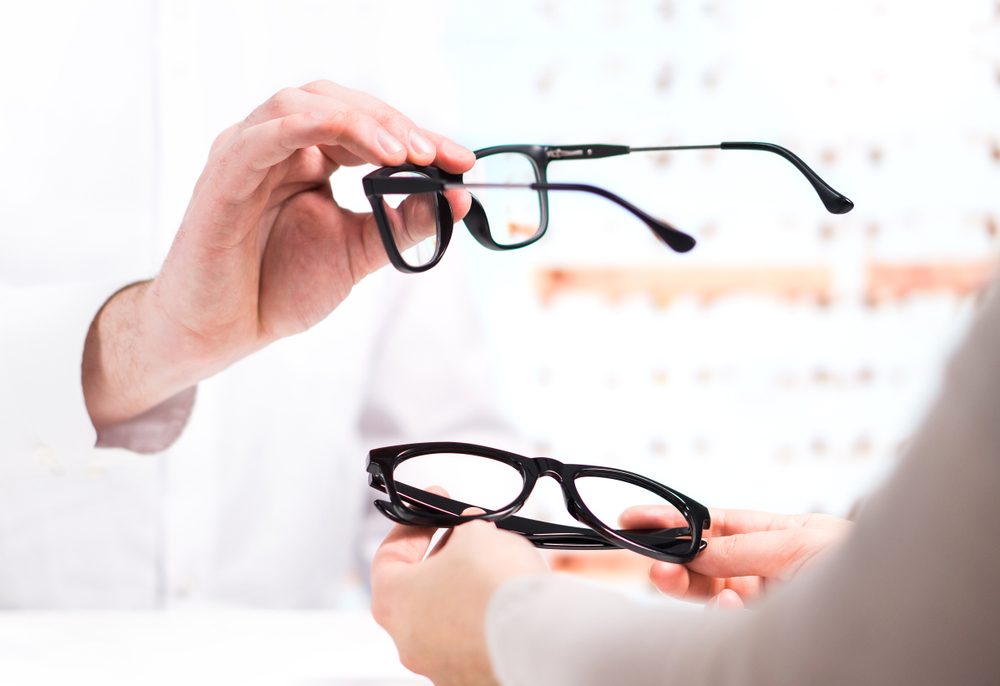
Children today spend more time on screens and less time outdoors, leading to a significant rise in myopia, or nearsightedness. As this condition progresses, it increases the risk of serious vision problems later in life, including glaucoma, retinal detachment, and macular degeneration. One of the most promising solutions is multifocal contact lenses - a proven tool in myopia management in Long Beach and beyond.


MAP


© 2026 Long Beach Family Optometry. All Rights Reserved. Accessibility Statement - Privacy Policy - Sitemap
Powered by: